Design & Engineering for the Harshest Offshore Environments
Commissioning
Proper commissioning of glycol dehydration units is essential for safe, reliable, and efficient natural gas processing. This process ensures that the TEG contactor, regenerator, pumps, heat exchangers, and instrumentation are correctly installed, integrated, and validated. Effective engineering consulting during this phase is crucial to achieve the target water dew point while minimizing glycol losses, foaming, carry-over, and BTEX emissions.
De-bottlenecking
De-bottlenecking glycol dehydration units is essential for oil and gas operators seeking to enhance natural gas processing capacity and efficiency from existing assets. By utilizing engineering consulting services, operators can achieve throughput increases of 20 -100% or more, all while incurring far lower capital expenditures and experiencing minimal downtime compared to building new facilities.
Dewpoint
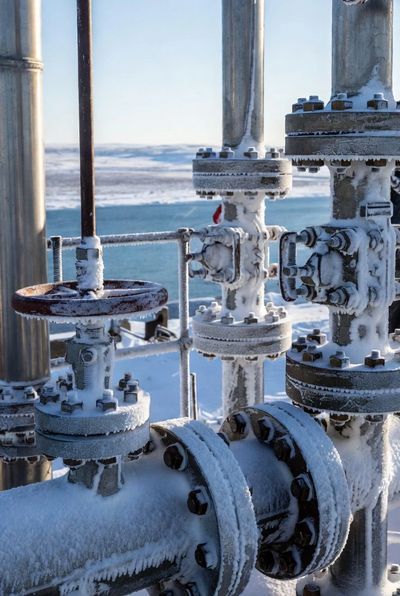
Oil and gas operators encounter significant challenges in cold-climate or high-pressure environments, where the increased water content can lead to freezing, liquid dropout, or operational shutdowns. This is particularly evident on the North Slope of Alaska, the North Sea, Africa, and the Gulf of America. To address these issues, engineering consulting services often recommend glycol dehydration methods as part of the natural gas processing strategy to enhance operational efficiency.
Foam or Fouling
Fouling and foaming present some of the most persistent and costly challenges in glycol dehydration units within the natural gas processing sector. These issues directly compromise water removal efficiency, gas quality, and overall plant reliability for oil and gas operators. Contaminants such as entrained liquid hydrocarbons, salts, chlorides, solids (including iron sulfides), and acid gases (H₂S and CO₂) infiltrate the tri-ethylene glycol (TEG) loop. This triggers foaming that leads to excessive glycol carryover into the sales gas, reduced mass transfer, contactor flooding, low-level trips, and increased chemical consumption. At the same time, fouling from accumulated solids, degradation byproducts, and scales accumulates on contactor trays and packing, heat exchangers, and reboilers. This buildup restricts glycol circulation, impairs heat transfer, and results in elevated pressure drops, highlighting the need for effective engineering consulting to address these challenges in glycol dehydration.
Training
One- and two-day onsite training for technicians or engineers, specifically focused on glycol dehydration and natural gas processing, are available anywhere in the world.
Troubleshooting
GlyEng’s specialized engineering consulting services and advanced design expertise in glycol dehydration and enhance natural gas processing for operators worldwide.
About
Mike Palasch
Chemical Engineer, MBA
Principal Engineering Consultant specializing in glycol dehydration and natural gas processing.
Robert Muller
Petroleum Engineer, MBA
Business Development & Engineering Support
713-725-2399
Houston, TX